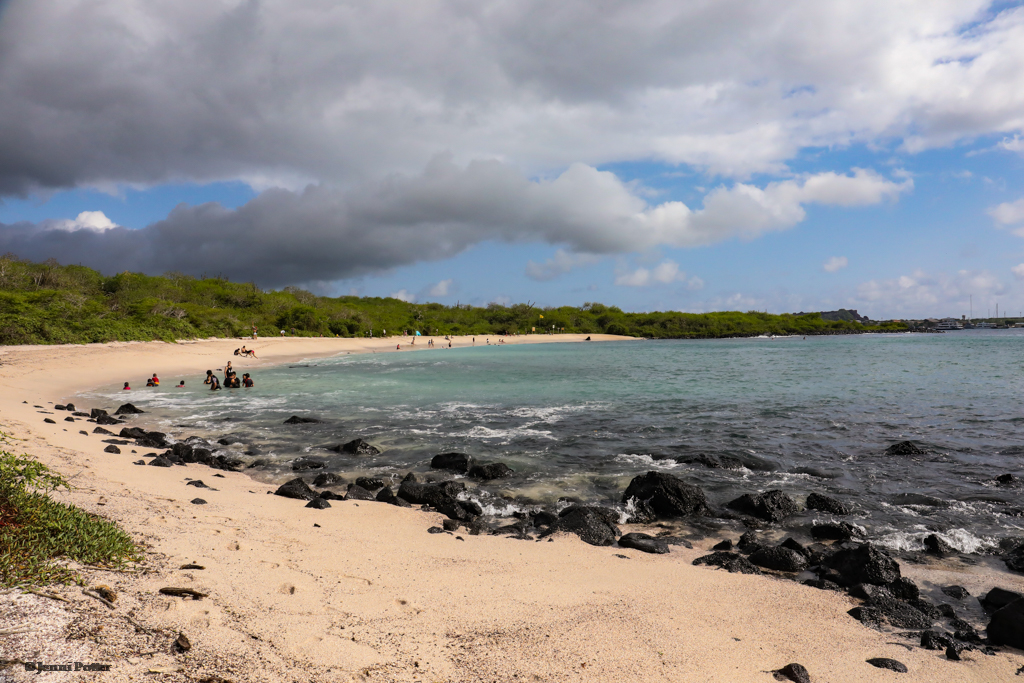
* Disclaimer: I visited the Galapagos before Covid restrictions, so new rules will likely apply. Please check your the relevant websites for more information prior to travelling *
The Galapagos Islands have been on my “must visit” list for as long as I can remember. The islands that David Attenborough introduced me to, and the birthplace of Darwin’s theory of evolution. Little did I expect that at the age of 24 I would be visiting the destination of my dreams! I had not even dared to imagine I would get there so soon, but when the chance to visit arose, I took the plunge and booked my flights.

The Galapagos Islands, if you didn’t grow up on wildlife documentaries and David Attenborough’s soothing narrations, are a group of islands (funnily enough) located off the west coast of Ecuador. They are Ecuadorean by nationality and tightly controlled, with entry only able from the Ecuadorean cities of Quito, in the north, and Guayaquil, in the south.
While it’s a nerve-wracking time ensuring you’re up to scratch and have prepared for all the strict controls and rules to actually enter, my time on the islands was the closest I’ve come to magical. It was also stressful, expensive and tiring (hence why I’m writing an article geared to help you budget-minded travellers), but hindsight is a wonderful thing, right?
In my opinion, if a trip can be all that and STILL come out tops with the “magical” label, then it’s a pretty darn special place.
Get Ready for Take Off
It cost me about half (yes HALF!!!) of my travelling budget for my 2-month odyssey around South America. Yes, I know. Ouch. But worth it? Exponentially.
I’ve split my time on the islands into a clear, chronological structure, so sign up if you want to discover what you can get up to here on a budget! In this article, learn about how to get yourself onto these islands of paradise in the first place.
Pre-Departure for the Galapagos
You must check the current entry requirements to the Galapagos Islands before you depart, and in plenty of time. Getting on to the islands is strictly controlled, for obvious reasons. Protecting the Galapagos is in everyone’s best interests and I recommend you fully research the up-to-date requirements, particularly post-covid.

There are many sites, including travel agencies, who post about the Galapagos, so ensure you check the most up-to-date websites, and don’t rely on just one site. You don’t actually need to sign up with an agency to travel to the Galapagos, and bear in mind that agencies might require extra documentation and checks.
Here are the things you definitely need to consider:
- Visa – do you need a visa for travelling to Ecuador? For U.S., Canadian and most European citizens, visas are not required, unless you will be staying for more than 90 days.
- Exit flight or bus from Ecuador – Before I even boarded my flight to Ecuador, I was asked at Heathrow for proof that I was leaving the country. You can always book a cheap or flexible bus ticket if you’re still uncertain of your timings. I had already booked an onwards flight to Peru… luckily!
- Return flights from the Galapagos
- Valid passport – valid for more than 3 months
- The Galapagos Transit Control Card – you will need to fill this out online at least 24 hours before the flight
- Immigration control – $20 to be paid at the airport. This is to control illegal immigration and register the number of tourists
- Baggage check
- No biological materials – this includes food. You can search for the specific rules, but there’s food there and the flight is short, so I wouldn’t bother carrying snacks. Cross-contamination between the Galapagos and the outside world, as well as between the islands themselves, is a big no-no
- Health insurance – not compulsory, but I highly recommend getting yourself some. There is insurance out the for all budgets, and even as a solo traveller on a budget, I forked out the extra money to cover myself and my filming kit for the duration of my travels
As a word of advice, if you are able to try and visit the Galapagos Islands in the off-season, for less queues, less tourists on the islands themselves and more space. Contrary to all the articles extolling peak-season ticket purchasing, you’ll save yourself a lot of money, time and hassle by opting for a trip during the quieter times.
Arriving on the Isla Baltra

Isla Baltra is barren, and the first island you’ll experience on your trip, since the main aeropuerto is located here. Once you land on Baltra, after the normal passport checks, you’ll need to register to enter the Galapagos National Park and pay the park entry fee, which is cash only:
- Foreigners: $100
- Countries with a Mercosur agreement: $50
- Nationals: $20
My friend is now an Ecuadorean citizen, so while I forked out a whole heft of my already rather paltry wealth, she smiled smugly as she handed over her $20.
The park entrance fee goes towards the preservation and protection of the islands, which is definitely worth the money in my opinion. The fee is split as follows:
- 40% Galapagos National Park
- 20% Galapagos Municipalities
- 10% Galapagos Province Government
- 10% Galapagos National Institute (INGALA)
- 5% Galapagos Marine Reserve
- 5% Galapagos Province Inspection and Quarantine System
- 5% INEFAN (National Park Service)
- 5% National Army
After making it through all the checks and registering, your bags will be subjected to the noses of the border control dogs. Watching from the sidelines is slightly surreal, as you and your plane load of people watch anxiously from the side lines.
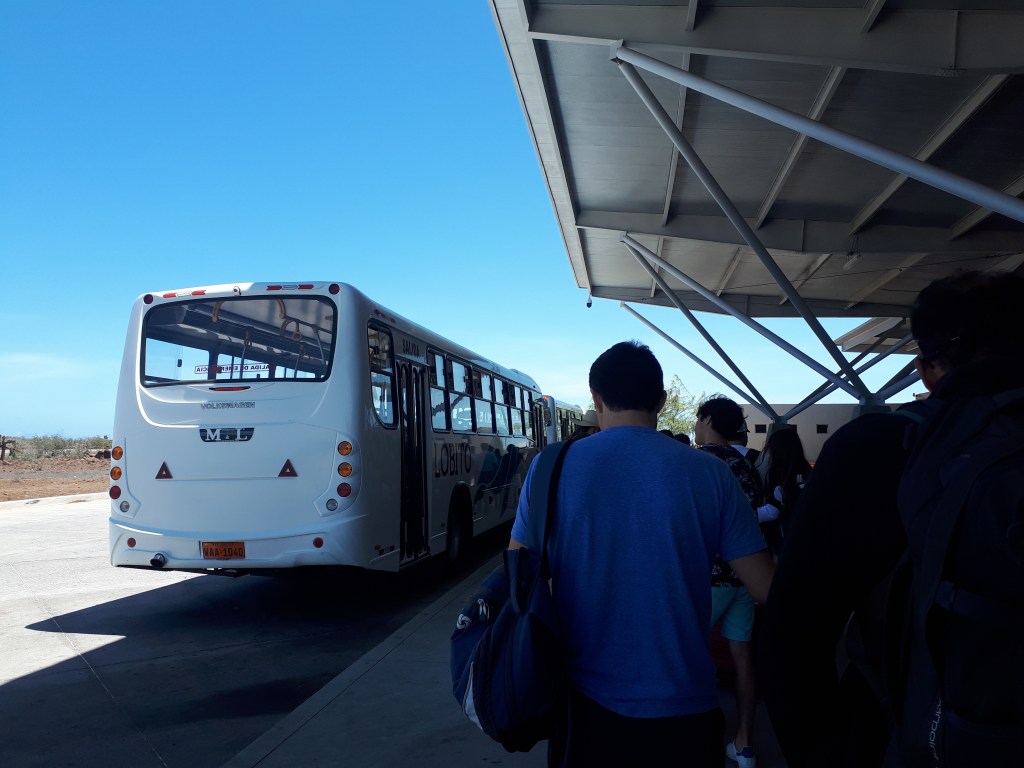
After reclaiming your luggage in the ensuing stampede, you’ll be heading to the Los LOBITOS bus, after purchasing your $5 ticket. Make sure you queue for the ticket first before you queue for the bus (I learnt that the hard way!)
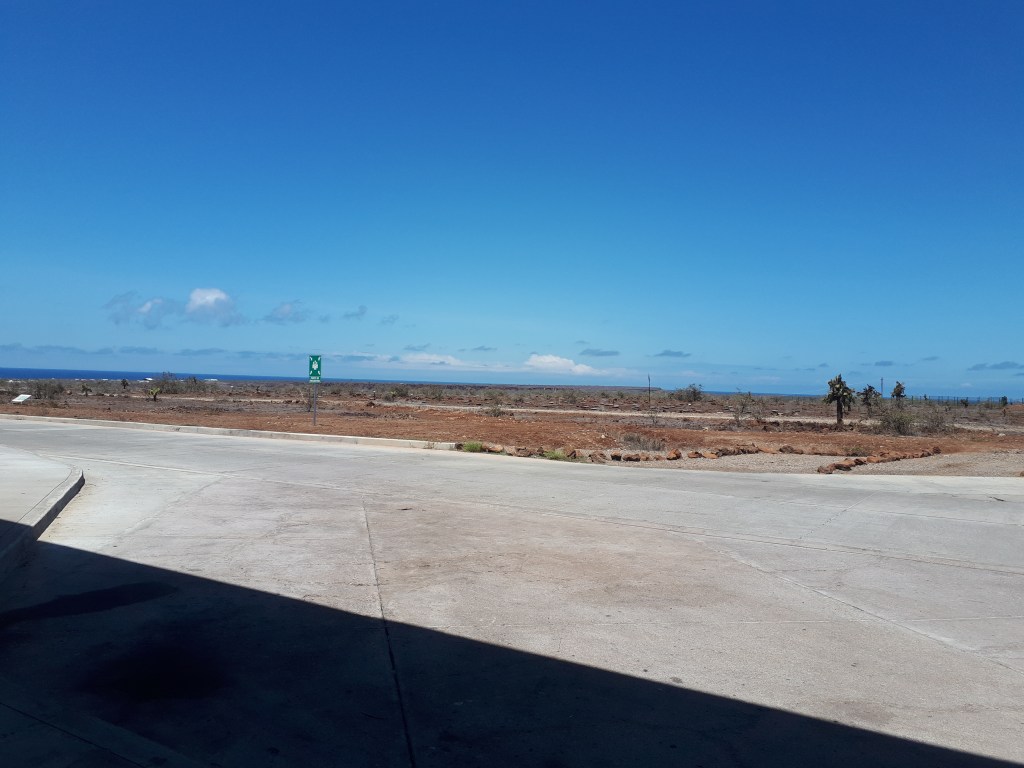
A journey of about 15 minutes introduces you to the scorching barrenness of Isla Baltra, an old military army base that boasts the airport, a scattering of building foundations and the odd marine iguana as its only attractions.

Your first taste of a sea voyage is a 10 minute ride across the Itabaca Canal between Isla Baltra and Isla Santa Cruz, which is 10 minutes and $2 each (in cash). This may induce a little anxiety about your bags, perched precariously on top of the boat, but the workers have done this a million times before. Stress less is my advice!

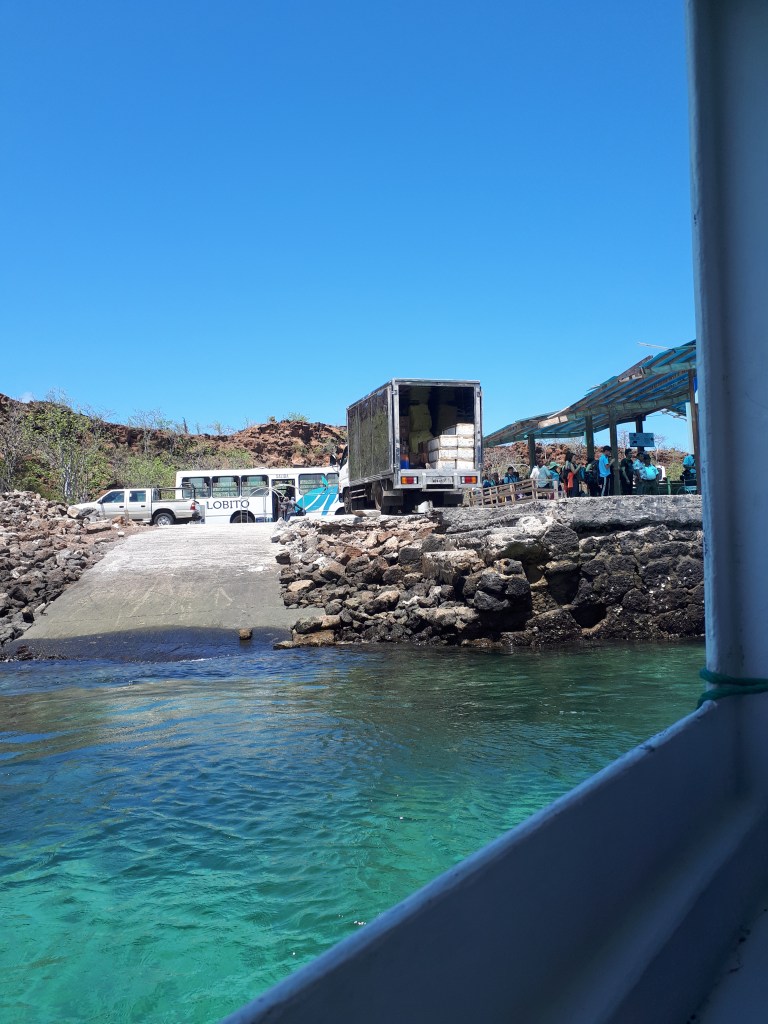
Upon arriving at the other side, you can opt for a taxi of $25, or the bus for a $5 40-60 minute journey to get to the main town of Puerto Ayora. The taxi will take you straight to your accommodation, and you can split the fee with however many people take the taxi with you.
The bus ends at a certain stop, so if it is your preferred choice make sure you take some screenshots of google maps and the outside of your hostel. Puerto Ayora is rather small, so if you’ve any sense of direction at all, it will be easy to find your accommodation.
My sense of direction is pretty spot on, so my friend and I found our hostel with ease and were soon exploring the tranquil streets of Puerto Ayora. Due to my travelling timeline, we had just missed peak season, so the town was quiet and relaxed – proper coastal small-town vibes. There’s never a bad time to visit the Galapagos Islands, so save yourself some money by heading over when the islands are quieter. You’ll get your pick of accomodation and activities, as well as a much more relaxing stay.
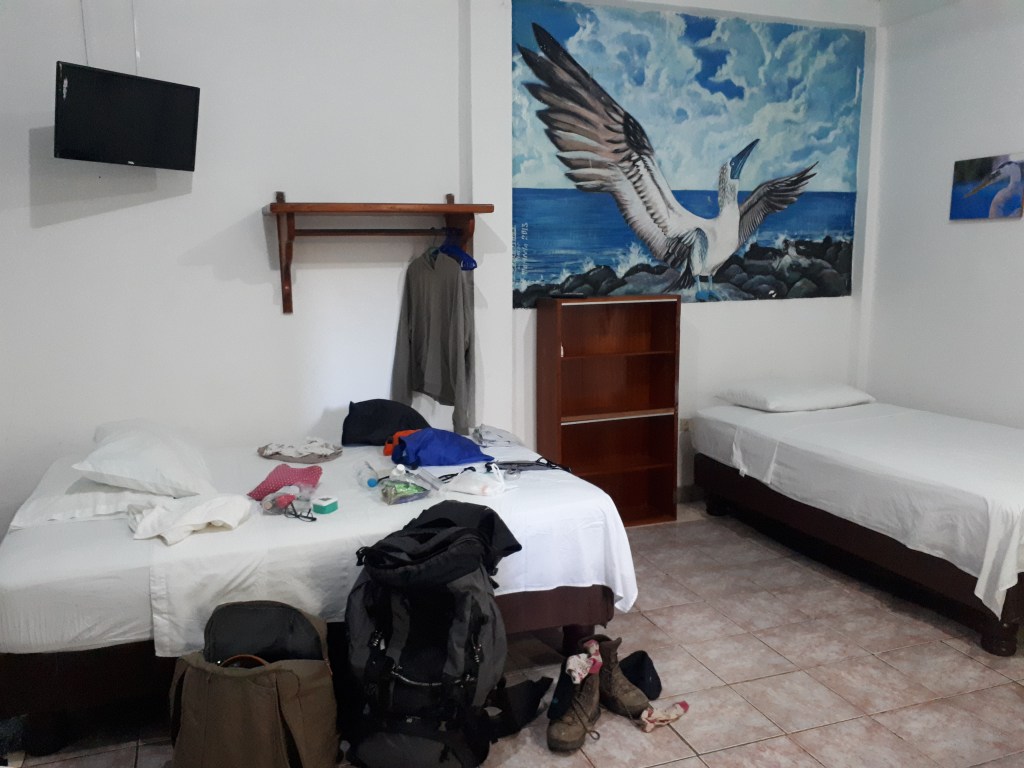
Peak season for the Galapagos is December to January and June to August.
I’ll leave you to settle in now. Join me next time to discover what I got up to during my days on paradise, and for more tips on how to travel to the Galapagos on a budget!
From me to you,
Jenni
🌎
 Collecting Continents